

Are Vape Vending Machines Legal? The 21+ Rule Explained
Vape vending machines are legal in the United States only inside a facility that keeps everyone under 21 out at all times. Federal rules allow e-cigarette vending nowhere else, ID scanner or not. States and cities then add their own limits, and some, like Colorado, ban nicotine vending outright.
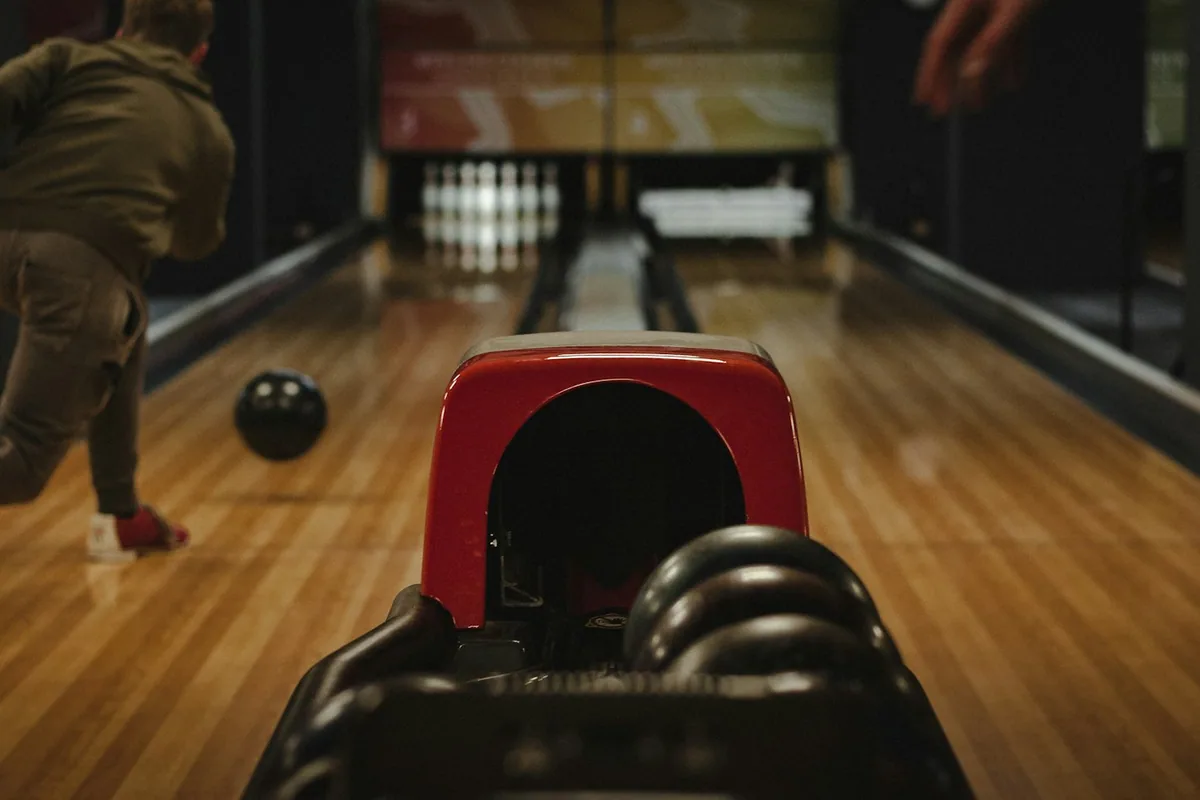
A word on who is writing this, because every other page that ranks for this question is published by a company that sells vape machines. Pinpoint finds and signs venues for vending machine owners. As of 7 September 2026, 155 of our signed venues are open across 33 states, and the labelled ones include 18 bowling alleys, 15 indoor playgrounds, 10 family entertainment centers and 7 trampoline parks. Every one of them admits children. We do not place vape, THC or kratom machines, and nothing below is a sales pitch for one. This page is general information, not legal advice; talk to a lawyer licensed in your state before you act on it.
What does federal law say about vape vending machines?
Federal law allows a vape vending machine only in a facility where no one under 21 is present or permitted to enter, at any time. The rule sits in the FDA's tobacco retail regulations at 21 CFR Part 1140, and it covers e-cigarettes, e-liquids and other electronic nicotine delivery systems (ENDS), which the FDA calls "covered tobacco products".
The rule for vapes, 21 CFR 1140.14(b)(3), reads in full:
"A retailer may not sell covered tobacco products with the assistance of any electronic or mechanical device (such as a vending machine), except in facilities where the retailer ensures that no person younger than 21 years of age is present, or permitted to enter, at any time."
The matching exception for cigarettes and smokeless tobacco, 21 CFR 1140.16(c)(2)(ii), permits:
"Vending machines (including vending machines that sell packaged, single cigarettes) and self-service displays that are located in facilities where the retailer ensures that no person younger than 21 years of age is present, or permitted to enter, at any time."
Both were raised from 18 to 21 by a final rule published August 30, 2024, effective September 30, 2024, which brought the regulations in line with the Tobacco 21 law Congress passed on December 20, 2019. The same rule requires a photo ID check for any buyer under 30. The FDA's Tobacco 21 page adds that the federal minimum age "applies to all retail establishments and persons with no exceptions."
What counts as an adult-only facility?
An adult-only facility, in FDA terms, is a place where people under 21 "are neither present nor permitted to enter at any time." That definition comes from the FDA's retail guidance for tobacco sellers, which also says it in plain words for vapes: "Do NOT sell e-cigarettes, e-liquids, or other ENDS in a vending machine where individuals under 21 are present or permitted to enter at any time."
Three words do the work: present, permitted and any time. A venue that is 21+ after 9 p.m. but admits families at lunch fails "any time". A venue that bans minors on paper but lets them walk in fails "present". In practice the venues that can pass are a short list:
- A bar or nightclub that cards everyone at the door and never admits anyone under 21
- A private club with a 21+ membership rule that is enforced at the entrance
- An age-restricted casino or gaming floor, as distinct from the hotel lobby next to it
- A tobacco or vape shop that bars minors from entering, where the state allows it
A bar inside a family restaurant, a hotel lobby, a bowling alley's lounge with an open doorway to the lanes, and a convenience store all fail, because the facility admits people under 21.
Does an ID scanner make a vape vending machine legal?
An ID scanner does not make a vape vending machine legal in a place minors can enter. That is our reading of the regulation's text, not a statement the FDA has made about scanners: 21 CFR 1140.14(b)(3) tests who is present in the facility, and neither the rule nor the 2024 Federal Register notice offers any technology that substitutes for keeping under-21s out of the building.
The distinction matters because the machines are marketed on the scanner. Autocomplete shows people searching "vape vending machine with id scanner" and "age verification vending machine for sale", and the sellers that rank for those phrases are machine makers. A scanner, facial match or app check confirms the age of the buyer standing at the machine. The federal text is not about the buyer. It is about the room. A 15-year-old who never touches the machine still makes a family venue a facility where someone under 21 is present.
Two points sit on top of that:
- Separate ID rule. The photo ID rule for buyers under 30 applies on top of the facility rule, not instead of it. A compliant machine in a 21+ bar still has to verify age.
- Lockouts are still a device. Some state laws mention lockout devices or employee-controlled release. A machine an employee unlocks is still a sale "with the assistance of any electronic or mechanical device", so in our reading a state lockout provision does not relax the federal facility test. No FDA guidance we found addresses employee-unlocked vape machines directly, which is a question for counsel.
Why can't a family venue, gas station or mall host a vape vending machine?
A family venue, a gas station and a mall all fail the federal test for the same reason: each admits people under 21 as a normal part of business. The rule asks whether anyone under 21 is present or permitted to enter at any time, and a bowling alley, an indoor playground, a mall concourse or a fuel-station shop says yes to that every day.
The FDA has enforced the vending rule before. In Center for Tobacco Products v. Brandy Inn, Inc. (decision CR3071, January 9, 2014), the agency sought civil money penalties partly because an inspector found a tobacco vending machine in a customer area where minors were permitted to enter. We found no FDA warning letter aimed specifically at a vape vending machine, so treat that case as proof the rule is enforced, not as a count of vape cases.
Product legality is a second, separate problem. FDA Commissioner Marty Makary said on September 30, 2025 that about 54% of vaping products sold nationally are illegal and that the agency had authorized 39 vape products. A machine stocked with unauthorized disposables is selling illegal product even in a perfect 21+ bar.
Our own book shows how wide the gap is. Pinpoint's open venues include 2 gas stations and 2 malls alongside the bowling alleys and playgrounds, and every one of them admits minors. For more on how general placement rules work, see where you can legally put a vending machine.
How do California, Colorado, Texas and New York treat vape vending machines?
California, Colorado, Texas and New York each add a state law on top of the federal 21+ facility rule, and each is stricter in a different way. A machine has to pass both: the federal test and the state statute. Where the two differ, the narrower one decides where a machine can go.
| State | Statute | What it allows | E-cigarettes covered? |
|---|---|---|---|
| California | Bus. & Prof. Code §22960 | Tobacco vending banned except inside a venue with an on-sale public premises liquor license, at least 15 feet from the entrance; cities may ban outright | Yes, under §22950.5 |
| Colorado | C.R.S. §44-7-103 | No vending of tobacco or nicotine products; cigarettes only in age-restricted areas of licensed gaming venues | Yes, nicotine products named |
| Texas | Health & Safety Code §161.086 | No vending machine with e-cigarettes except in a facility not open to anyone under 21; officers may seize or disable a machine | Yes, named in the statute |
| New York | Public Health Law §1399-dd | Bars, private clubs, tobacco businesses, and workplaces not open to the public | Yes, named in the statute |
Colorado's wording is the bluntest: "A retailer shall not sell or offer to sell any cigarettes, tobacco products, or nicotine products by use of a vending machine," with the casino carve-out for cigarettes only. Texas makes it a Class C misdemeanor to "install or maintain" a machine in the wrong place, wording that reaches beyond the seller. New York's list includes the bar area of a restaurant, but the federal rule still requires the facility itself to keep out anyone under 21, so a family restaurant's bar does not pass federally in our reading.
Flavor rules are a separate layer. A growing number of states and cities restrict flavored vape sales, which limits what a legal machine can stock. Check your state's current statute before buying inventory. Our guide to vending permits and the vending machine licenses and permits post cover the license side by state.
Are cities banning vape vending machines too?
Cities are adding their own limits, and Illinois shows the pattern in 2026. Three towns near St. Louis acted within a few months of each other, each after vape machines started appearing or being proposed locally. Illinois state law already sets the age at 21; the local ordinances go further on where, or whether, a machine may operate at all.
- Wood River, Illinois (March 2026): the city council banned cigarette and vape vending machines, with the one licensed machine in the city allowed to stay under a grandfather clause, according to The Telegraph.
- Jerseyville, Illinois (June 23, 2026): the council unanimously limited e-cigarette and vape vending machines to 21-and-up establishments, as reported by RiverBender.
- Troy, Illinois (July 20, 2026): the council amended its ordinance on smoking products sold from vending or automated dispensing machines, raising the local age from 18 to 21 after someone asked about placing machines in bars and gaming venues, per the Times-Tribune.
California's statute explicitly lets cities ban tobacco vending entirely, and other states leave room for local rules too. So the question for any address is three questions: federal, state, then city or county.
What about THC and kratom vending machines?
THC and kratom machines are the next thing a vape-machine seller tends to offer, and both sit on moving federal ground as of October 2026. Neither belongs in a family venue, and Pinpoint places neither.
THC. A federal law signed November 12, 2025 (P.L. 119-37) redefined hemp, capping finished hemp products at 0.4 milligrams of total THC per container, which takes most delta-8 and hemp THC edibles out of the legal hemp category. A stopgap funding bill signed September 2, 2026 moved the effective date for naturally occurring cannabinoids from November 12 to December 11, 2026, as Forbes reported; synthetic cannabinoids keep the November 12 date. Licensed marijuana vending is a separate state-by-state question.
Kratom. HHS and the FDA recommended on July 29, 2025 that concentrated 7-hydroxymitragynine (7-OH) products be placed in Schedule I. The DEA published a notice of intent to schedule 7-OH temporarily in July 2026. Whether that order has taken effect is pending and unconfirmed as of October 2, 2026, so check the Federal Register before relying on either answer.
What should a venue owner say when a vape machine seller calls?
A venue owner who runs a family venue can answer a vape-machine seller in one sentence: the building admits people under 21, so federal law does not allow the machine here, whatever age check it has. That answer holds for a bowling alley, a trampoline park, a family entertainment center or an arcade, and it does not depend on which state you are in.
Some sellers will push back with the scanner, a lockout, a revenue share or a promise that "other venues do it." A short script that ends the call politely:
- "We admit children, so we are not a facility where no one under 21 is present or permitted to enter."
- "21 CFR 1140.14(b)(3) doesn't make an exception for ID scanners, and our lawyer reads it the same way." (Only say the second half once your lawyer has.)
- "Our state and city rules are stricter still, so the answer is no."
- "If you place machines like cotton candy or claw games, send that information instead."
If the pitch comes with a promise of guaranteed income or "locations already secured", read our guide to vending machine scams to avoid before you sign anything. Federal rules bind the "retailer", and some state laws, like Texas's ban on anyone who installs or maintains a machine, reach further, so a host venue is not automatically in the clear. For the machines that do suit a family venue, see vending machines in family entertainment centers and our broader guide on how to find vending machine locations.
FAQ
Can a vape vending machine with an ID scanner go in a gas station? Not under federal law. The FDA rule allows a vape vending machine only in a facility where no one under 21 is present or permitted to enter at any time, and a gas station admits customers of every age. An ID scanner checks the buyer, but the rule is written about who is in the building.
Where can you legally put a vape vending machine? Only in a facility that keeps everyone under 21 out at all times, such as a 21+ bar, a 21+ club or an age-restricted gaming floor, and only if your state and city also allow it. Several states narrow that further, and Colorado bans nicotine vending outright.
Can you put a vape vending machine in a bar? Sometimes. A bar that never admits anyone under 21 can meet the federal test, but a bar that serves food to families, or lets minors in before a certain hour, does not in our reading of the text. State law then adds its own conditions, such as California's 15-foot rule and its liquor-license requirement.
Which states ban vape vending machines? Colorado bans vending machine sales of nicotine products, with a narrow exception for cigarettes in age-restricted casino areas. California bans tobacco vending, e-cigarettes included, except inside licensed bars. Texas and New York allow machines only in tightly defined adult or restricted locations.
Are THC vending machines legal? Hemp THC machines face a federal deadline. A law signed November 12, 2025 caps hemp products at 0.4 milligrams of total THC per container, and a September 2026 funding bill moved the effective date for most products to December 11, 2026. Licensed cannabis machines are a separate, state-by-state question.
Next step
If you own a vending machine that suits a family crowd, such as cotton candy, a claw machine or a collectible machine, our vending machine locator service scouts and signs bowling alleys, indoor playgrounds, family entertainment centers and trampoline parks for you. We will not place a vape, THC or kratom machine, and every venue we sign admits children. If that fits your machine, see how the placement works and what the venue's share looks like before you commit.
Zach Downey, Pinpoint Vending, runs Pinpoint Vending, which scouts and negotiates venues for vending machine operators. Figures in this article come from Pinpoint’s own scouting data and cited third-party sources; Pinpoint makes no representation about the income any operator will earn.
Keep reading
Vending Machine Spots: Rent, Commission or Free? 2026
Vending machine spots are almost never rented. Across 84 signed host agreements, every one pays the venue a share of revenue — none pays flat rent.
Vending Machine Placement Proposal: Free Template 2026
A one-page vending machine placement proposal you can copy, with every number in it benchmarked against 329 signed Pinpoint host agreements.
Pokémon Card Vending Machine Business: Rules and Venues
A Pokémon card vending machine business runs on your own machine, since official ones aren't for sale. Sourcing, counterfeits, mystery-pack law, venues.